Spring
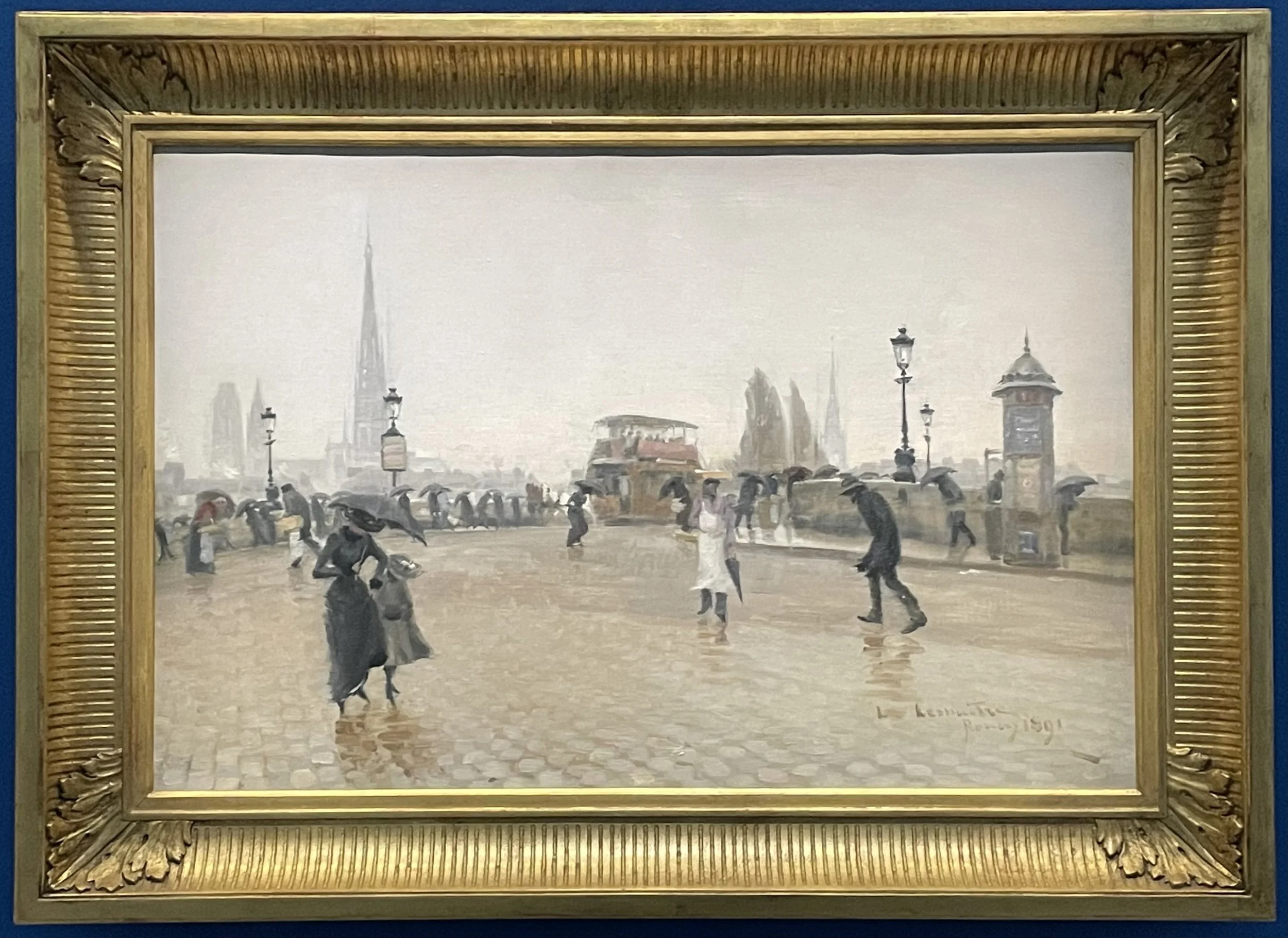
Spring steps out a bit timidly in Paris. Every year there’s a sudden uptick in the average temperature, for a short run in late February or early March, before immediately plunging back into near freezing temperatures, and everyone reluctantly dons their overcoats again. Always a tote bag not far away with a heavy scarf lying in wait.
The roastery can be just as reluctant to commit to the new season. One week the sun will be out, and all of our roast profiles will have changed. The green coffee heats up more easily in the machine, racing toward the finish line. You can see its excitement in the roast, to be sent off to be ground down and extracted into a spring cup on a sunny terrace, in amongst the bobo chic. Coffee plays an important role in the performance taking place outside. As long as the sun stays out, so will our residents, cleverly arranged, with an extra shirt button undone, eyes closed and pointed to the sky. A full cup is their ticket to the show.
The following week we’ll be abruptly throttled back into somber grey mornings, and the coffee in the atelier will have felt it too. Our winter roast profiles will match again, long drooping curves on the screen. Our cups shift back ever so slightly towards chocolate and caramel. Coffees slow to wake up. Someone may have mentioned Spring, but no one is buying it. Not until the picnic blankets have been brought out of their hiding place in the cellar, and a hand grinder thrown into a bag for a sunny hike. Only then will the beans commit to a new rhythm, happy to display the same brightness and fruity, floral character as the tulip magnolias exploding over the streets with their hot pink, cup-shaped flowers.
Winter can be long and dark here. Undeniably beautiful in its unique way, but parisiens reach a point when they crave the sun. So much so that when it finally does make its appearance, and finally on a weekend, every terrace in the city that touches even a sliver of sunshine will be packed to the limits of its legal capacity. For bistrots, brasseries, and cafés in Paris, which side of the street you’re on can make or break your business. Locals would choose a lesser quality address with a sunnier position, over the best restaurant in the city in the cold dark shade.
Saint-Germain is one of the most famous neighborhoods, and one of the most famous streets, on the Left Bank. People wait in line in the hopes of getting a table outside the storied addresses of Les Deux Magots, and Café de Flore. Their history of countless icons gracing their umbrella’d facades must mean that they’re the best, and they certainly know what they’re doing. But many other similar addresses have been lost to time. The reason these two cornerstones still stand tall may very well be in part due to their history, or their service, or their commitment to never change. But I can assure you, that just as important of a factor in their ability to endure in this place - is the fact that their terrace faces south.
Artwork by Léon-Jules Lemaitre, Photo taken by Benjamin Schwartz